There are moments in travel that shift your perspective permanently, moments where the noise of everyday life fades away and you are left completely present in the natural world. Coming face-to-face with wild mountain gorillas in their ancient, mist-shrouded mountain habitats is undeniably one of those rare, transformative experiences. For nature lovers and adventure seekers alike, embarking on a gorilla trek is the ultimate bucket-list journey—an awe-inspiring encounter that blends raw wilderness, profound conservation success, and an intimate connection with our closest living relatives in the animal kingdom.
Reasons why you should trek mountain gorillas is nothing can quite prepare you for the emotional rush of stepping through a dense curtain of bamboo and green foliage and seeing your first mountain gorilla. As noted by experienced travelers and conservation, the thrill of the journey ranging from the flutters in your stomach to the sudden, overwhelming urge to shed tears of joy is entirely universal across the Central African highlands.
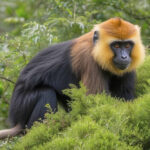
When you finally reach a habituated gorilla family, the strict regulations require visitors to maintain a respectful distance of about 7 meters and limit your viewing time to one regulated hour. Yet, within those boundaries, the experience feels intensely personal. You might watch a massive silverback stretch to his full, majestic height, observe tiny, playful babies tumbling over one another or tugging curiously at your shoes, or simply listen to the gentle, contented grunts of the family foraging peacefully. It is an encounter defined by quiet wonder, where you realize you are sharing space with sentient, emotional creatures who possess complex social lives.
Beyond the undeniable thrill of the wildlife viewing, choosing to go on a gorilla trek means actively participating in one of the greatest conservation success stories of the modern era. Mountain gorillas are critically endangered, restricted to just two isolated populations in the Virunga Volcanoes and Uganda’s Bwindi Impenetrable National Park.
Books and historical accounts by pioneering researchers such as Dian Fossey’s classic Gorillas in the Mist and Bill Weber and Amy Vedder’s riveting In the Kingdom of Gorillas chronicled the desperate plight of these animals when poaching and habitat destruction threatened to push them into extinction. Today, the revenue generated from high-value tourism permits (such as those in Rwanda and Uganda) directly funds armed park rangers, anti-poaching patrols, veterinary interventions, and community development projects. The money you spend on your permit goes directly into safeguarding the survival of the species while ensuring that local human communities benefit economically from protecting the forest.
When planning your trek, you will find that different countries offer distinct advantages depending on your budget, travel style, and appetite for rugged adventure:
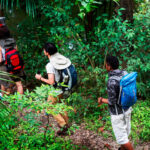
A gorilla trek is as much about the physical journey through the mountains as it is about the destination. Depending on which gorilla family you are assigned to, your hike could be a relatively gentle 30-minute stroll or a challenging 4-to-5-hour ascent through steep, muddy terrain, stinging nettles, and thick canopy cover.
To make the most of the adventure, preparation is key:
Many travelers elaborate why they trek because they return from their treks noting that the experience reshaped their understanding of wildlife and habitat preservation. It forces you to unplug, test your physical boundaries, and witness firsthand what collective conservation efforts can achieve. If you have ever dreamed of looking deep into the soulful, amber eyes of a wild mountain gorilla, there is simply no substitute for experiencing it in person. Pack your bags, lace up your boots, and prepare for an adventure that will stay with you for the rest of your life.
No tours available for this activity yet.