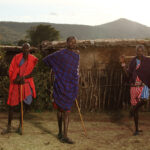
The Batwa cultural experience Bwindi offers a rare opportunity to meet the original inhabitants of Bwindi Impenetrable Forest. The Batwa people lived here for thousands of years before it became a national park. They were hunter-gatherers who knew every tree, every plant, and every animal. This cultural tour takes you into their world, past and present.
Bwindi Primate Safaris offers this activity in partnership with local communities. Your visit directly supports Batwa families through education, healthcare, and income generation. This is not a performance. It is a genuine cultural exchange that honors the Batwa people and their heritage.
The Batwa are one of the oldest indigenous groups in East Africa. They lived as hunter-gatherers in the forests of the Albertine Rift for millennia. When Bwindi Impenetrable National Park was established, the Batwa were relocated to the edges of the forest. They lost their home and their traditional way of life. The Batwa cultural experience Bwindi helps preserve what remains of their culture while providing economic opportunities for the community.
Today, around one hundred Batwa families live near Bwindi. Some have integrated into local farming communities. Others maintain their traditional practices as much as possible. This cultural tour allows visitors to learn about Batwa history, customs, and challenges. It is an educational and emotional journey.
The Garama Cave is the centerpiece of this activity. Located near the edge of the forest, the cave served as a shelter and meeting place for the Batwa for generations. Inside, it opens into a large chamber with a high ceiling. The acoustics are remarkable. The Batwa sing and dance here, their voices echoing off the stone walls.
During the Batwa cultural experience Bwindi, elders demonstrate how they made fire without matches. They show how they used forest plants for medicine and food. They explain how they hunted small game with bows and arrows. The elders speak in their own language, with translation provided. Their voices carry the weight of a disappearing culture.
The cave visit lasts about one hour. Afterward, you walk to a nearby Batwa village. The experience continues with interactions with families in their homes.
Learn about Bwindi Impenetrable National Park before your cultural visit to understand the context of Batwa displacement.
This activity begins at the park headquarters or your lodge. Your guide drives you to the Batwa community, usually near the Buhoma or Rushaga sectors. You are greeted by elders who welcome you with a traditional song. The women dance, their bodies moving to rhythms passed down for generations.
Then you walk into the forest. The Batwa cultural experience Bwindi includes a short walk where Batwa guides show you how they used to live. They identify edible plants. They point out medicinal trees. They build a traditional shelter from branches and leaves. They start a fire without matches, using friction and dried grass. Watching this is mesmerizing. In just a few minutes, smoke appears, then flames.
The experience continues with demonstrations of hunting techniques. The men show how they made and used bows and arrows. They explain the rules of the hunt. They share stories of their ancestors who hunted elephants and buffalo. These stories are told with pride and sadness. Those days are gone, but the memories remain.
After the forest walk, you visit the Batwa village. This cultural tour includes time in the community. You see how Batwa families live today. Their homes are small, made of mud and wood. Children play outside. Women cook over open fires. You are invited to sit with the elders, ask questions, and listen.
The Batwa sell handicrafts made from forest materials. Bowls, baskets, and jewelry are available for purchase. The money goes directly to the artisans. The Batwa cultural experience Bwindi ends with another song and dance. You say goodbye. You leave changed.
This cultural tour is not just a tourist activity. It is a lifeline for the Batwa community. Before tourism, the Batwa had almost no income. Many children did not attend school. Healthcare was inaccessible. This experience changed that. Your entrance fee supports the Batwa community directly.
The Batwa cultural experience Bwindi also preserves Batwa culture. The elders who lead these tours are passing their knowledge to younger generations. Children learn the songs and dances. Young men learn the hunting techniques. This activity ensures that an ancient culture does not disappear.
For visitors, this experience offers perspective. Gorilla trekking is the main reason most people come to Bwindi. But the forest is not just for gorillas. The Batwa lived here for thousands of years. Their relationship with the forest is deep and complex. Understanding that adds meaning to your visit.
Combine your Batwa cultural experience Bwindi with gorilla habituation for a full day of forest immersion.
This cultural tour is available in several locations. The most established program is near the Buhoma sector, at the Buhoma Community Rest Camp. This experience runs daily and includes the Garama Cave visit. The trail to the cave is short but steep. Moderate fitness is required.
The Rushaga sector also offers the Batwa cultural experience Bwindi. The community here has developed its own program. The cave in Rushaga is smaller but equally impressive. The village visit includes time with Batwa families in their homes.
The Mgahinga Gorilla National Park area has a different cultural tour. This program focuses on the Garama Cave in Mgahinga. The cave is larger than the one in Bwindi and has historical significance. The Batwa here share similar traditions but with local variations.
Bwindi Primate Safaris can arrange this activity in any of these locations. We recommend the Buhoma program for most visitors because of its accessibility and quality.
The Batwa cultural experience Bwindi operates year round. Rain does not stop the activities. The cave protects you from rain during that portion of the visit. The forest walk can be done in light rain. The village visit is under shelters.
The dry seasons from June to September and December to February offer the most comfortable conditions. The trails are less muddy. The walk to the cave is easier. The dry season is also the busiest time for gorilla trekking, so you will likely already be in Bwindi during these months.
The wet season from March to May and October to November is quieter. You may be the only visitor. The experience feels more intimate. The forest is greener and more beautiful. However, trails are slippery, so bring appropriate footwear.
Wear comfortable walking shoes. The trail to the cave is uneven and can be muddy. Long trousers protect your legs from stinging nettles. A rain jacket is useful even in dry season. Bring cash to purchase handicrafts. The Batwa do not have card payment facilities. Small bills are best.
Bring an open mind and a respectful attitude. This cultural tour is a genuine exchange, not a performance. Ask questions. Listen carefully. Take photos only when permitted. Some Batwa do not want their photos taken. Your guide will advise you.
Children are welcome at the Batwa cultural experience Bwindi. The Batwa enjoy interacting with young visitors. Children learn about a different way of life. It is educational for all ages.
Most travelers combine this cultural tour with gorilla trekking. The village visit is a half-day activity, usually in the afternoon after your morning trek. You return to the forest, but this time with the Batwa as your guides. The contrast is striking. In the morning, you searched for gorillas. In the afternoon, you learn how the Batwa lived alongside those same gorillas for centuries.
You can also combine the Batwa cultural experience Bwindi with bird watching or nature walks. The forest walk with the Batwa takes you to different areas than the standard nature trails. You learn about plants and animals from a unique perspective.
Book our 3-Day Gorilla Trekking and Batwa Experience for a complete Bwindi itinerary.
This humbling journey into the history of Bwindi’s original people will move you. You will learn, and you will leave with a deeper understanding of this incredible forest.
Contact Us today to add the Batwa cultural experience Bwindi to your safari itinerary. Your visit directly supports the Batwa community and helps preserve their ancient culture.